Community
Experience
Turning groups into a community that keeps playing
Playo already had Groups, but they were primarily a way to keep players together. The experience had limited information and no proper way to see what was happening next.
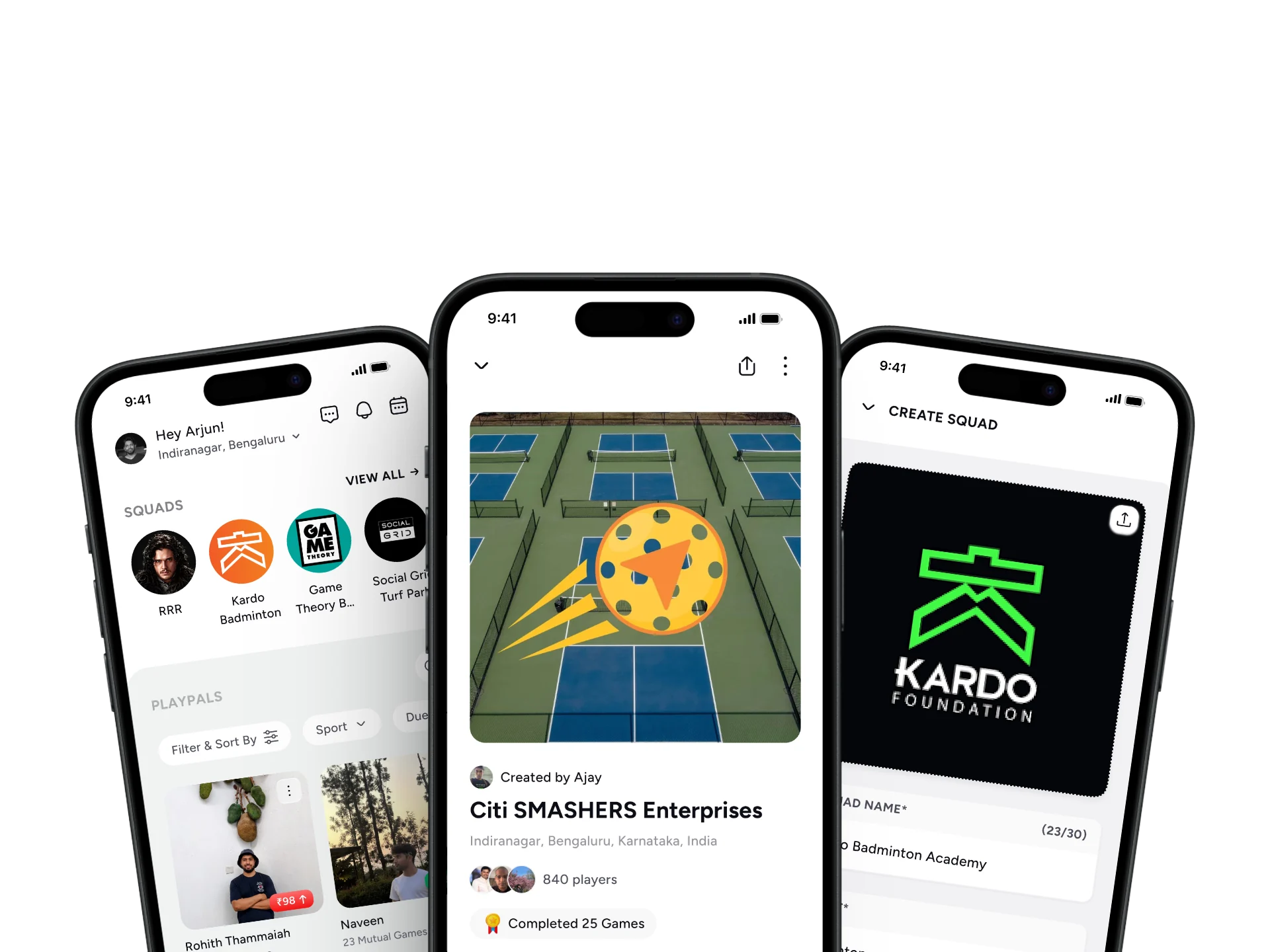
We rethought Groups as Squads: a richer social space where players could understand the community, discover upcoming games, communicate and keep playing together.
~150
Squads created at peak
~7K
Squad joins at peak
2.5K+
Activities tagged to Squads at peak
Context & Problem
The game was happening. The community wasn’t.
Playo's Groups helped players come together, but they didn't give the community much context. There was no proper way to understand what the group was about, discover upcoming games or stay connected between activities.
Players could join the group. But they couldn't easily understand who the community was, what was happening next or how the group connected to their play.
The Opportunity
What would make someone come back to their community even when they weren’t playing?
The Shift - From groups to squads
The goal wasn't to create another social feature. It was to make the existing community behaviour more meaningful.
Squad Identity - Giving every squad a face
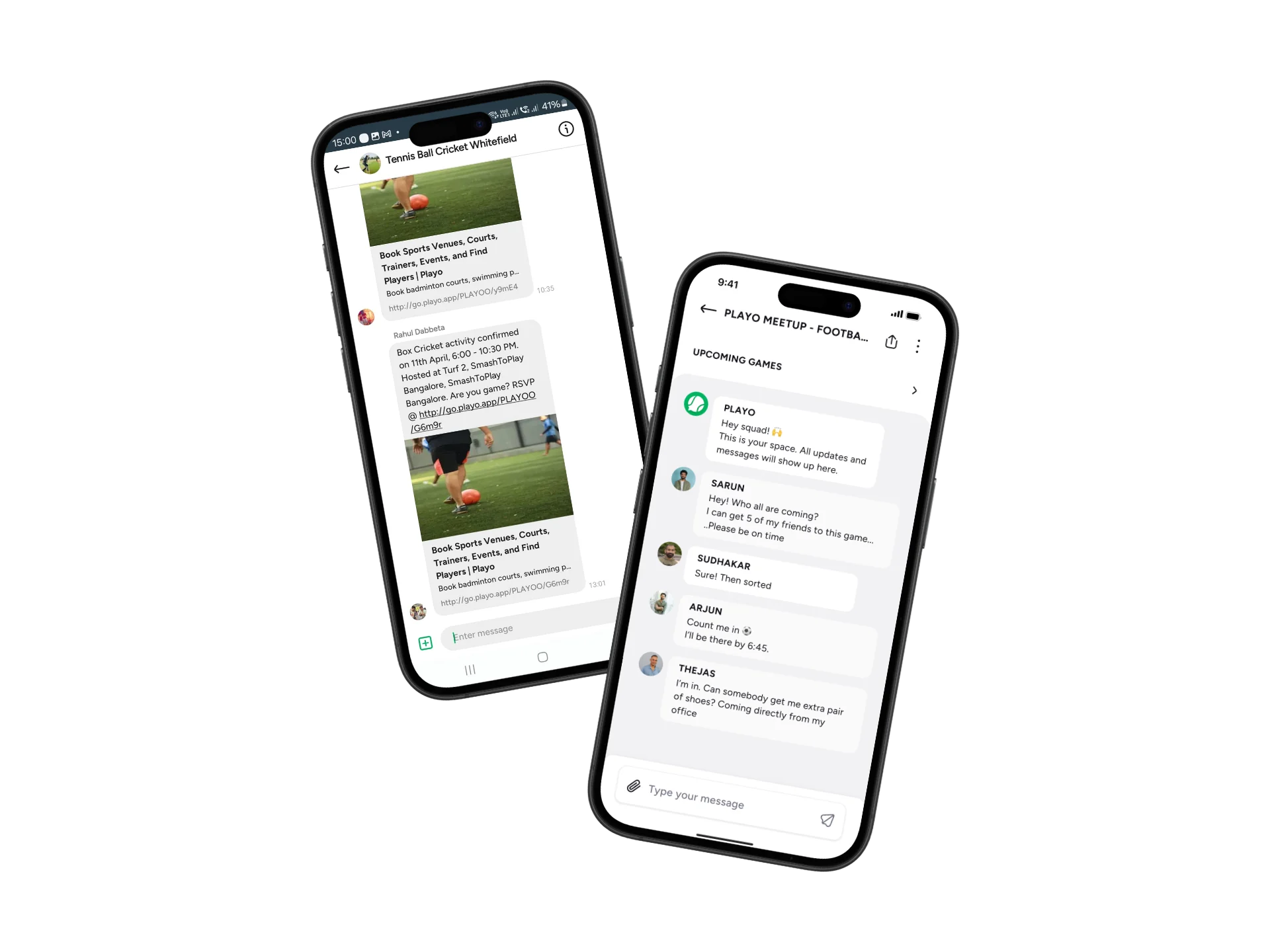
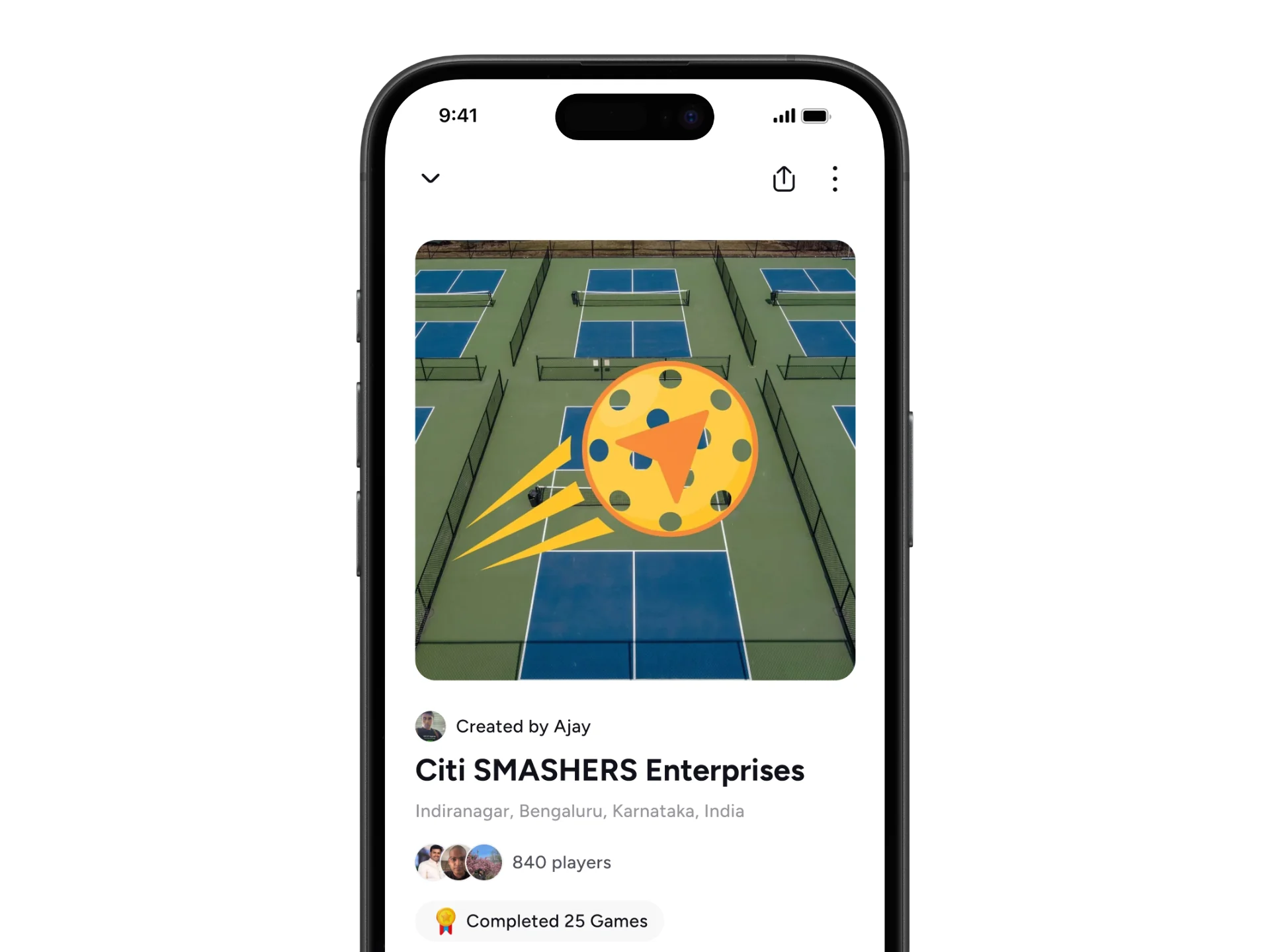
A community starts with knowing what it is. We added a description, display picture and richer member context so players could understand what a Squad was about before joining.
- Description
- Explain what the squad is about
- Display Picture
- Make the community recognisable
- Members
- Show who you’re actually playing with
Squad Calendar - Making what’s next easier to find
Previously, players had no dedicated place to understand what was happening inside a Group. The new Squad calendar brings upcoming games into one place, making it easier for members to see what's coming up and decide when they want to play.
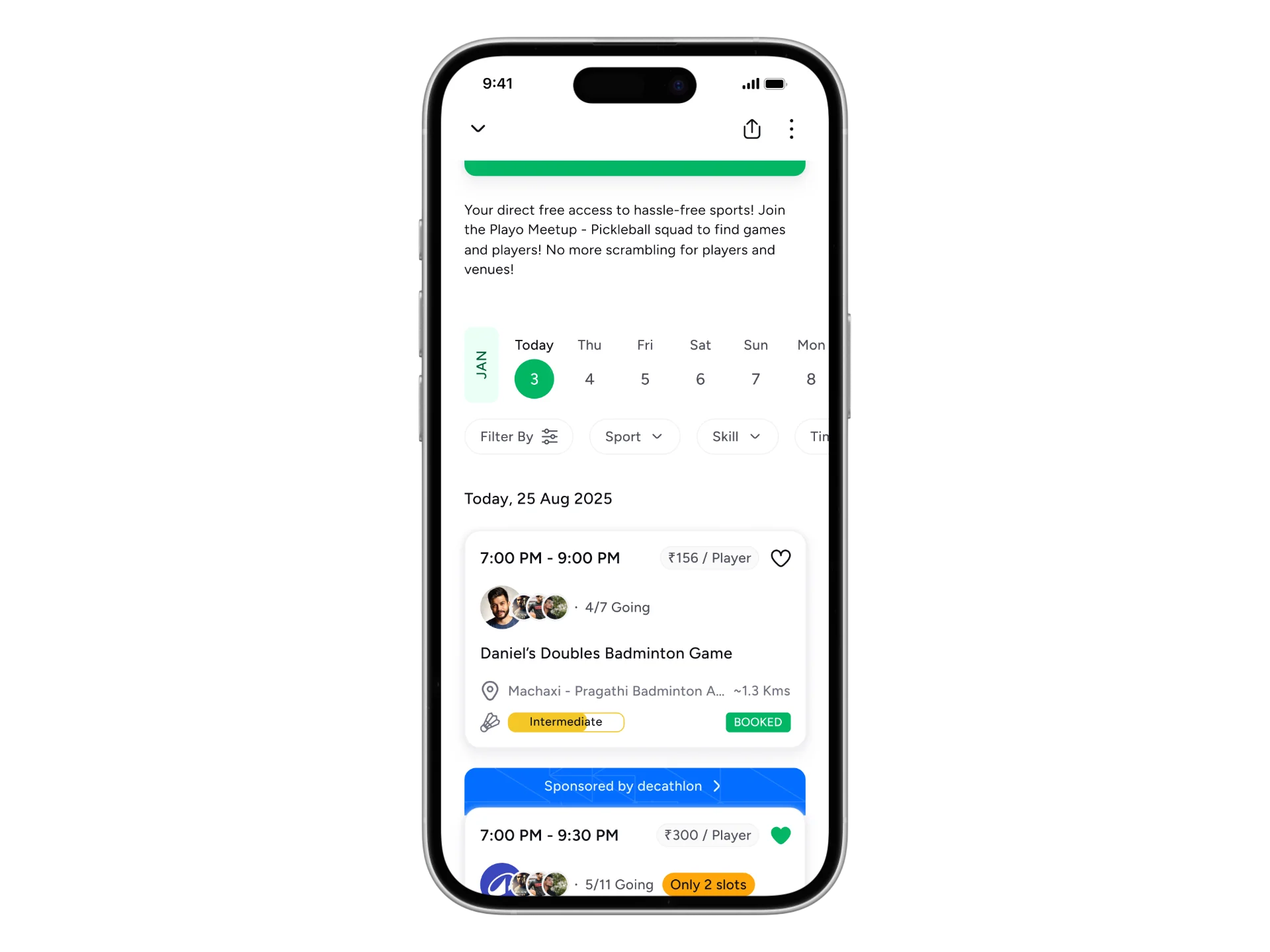
Connected Activities - Connecting squads to actual games
The squad shouldn’t exist separately from the game. When creating an activity, hosts can now tag it to a squad. Members can then discover the game through their community and join it directly.
Squad → Activity → Members → Play
This created a clearer connection between the people, the community and the activity
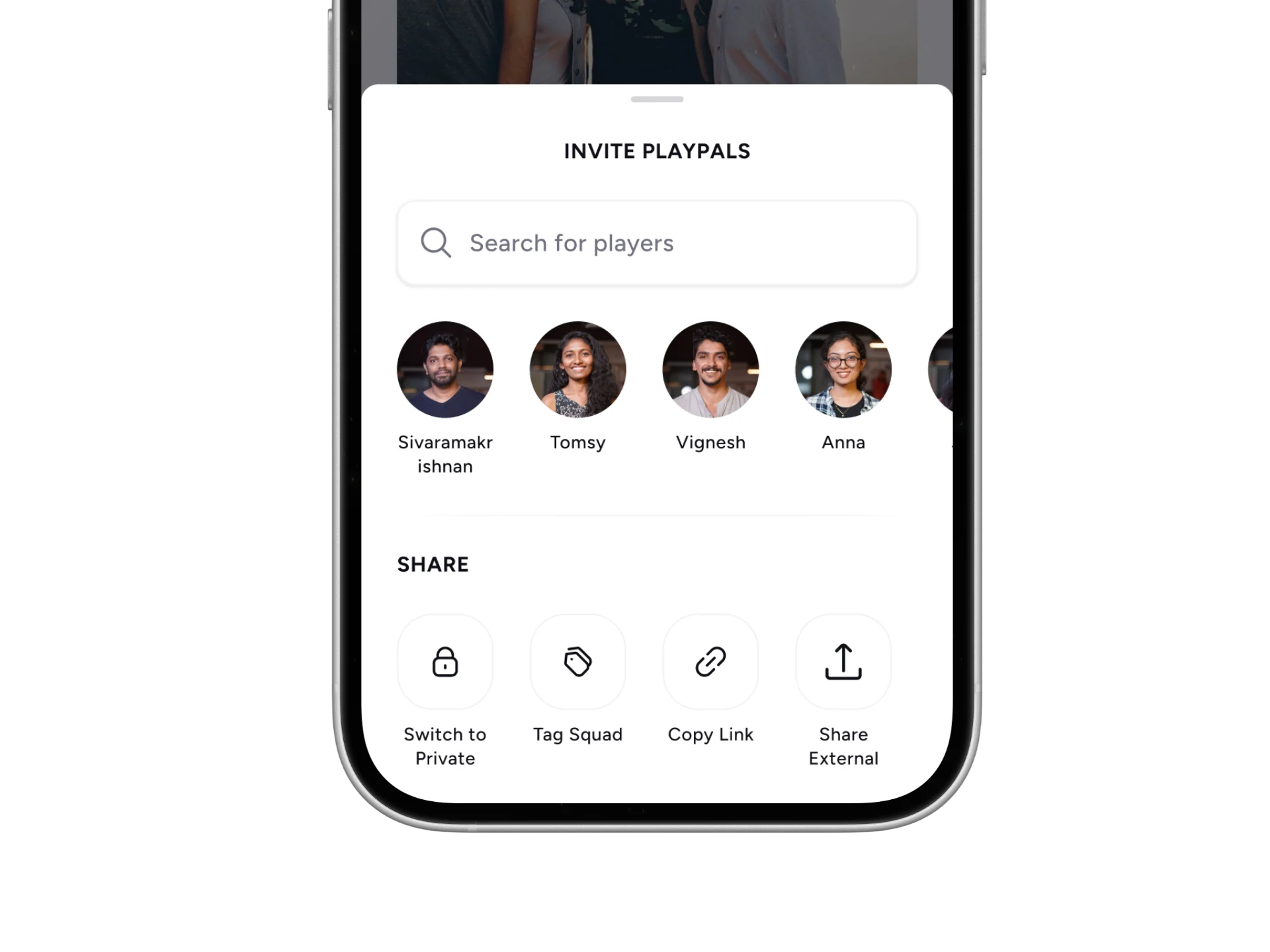
Squad Chat - Keeping the community alive between games
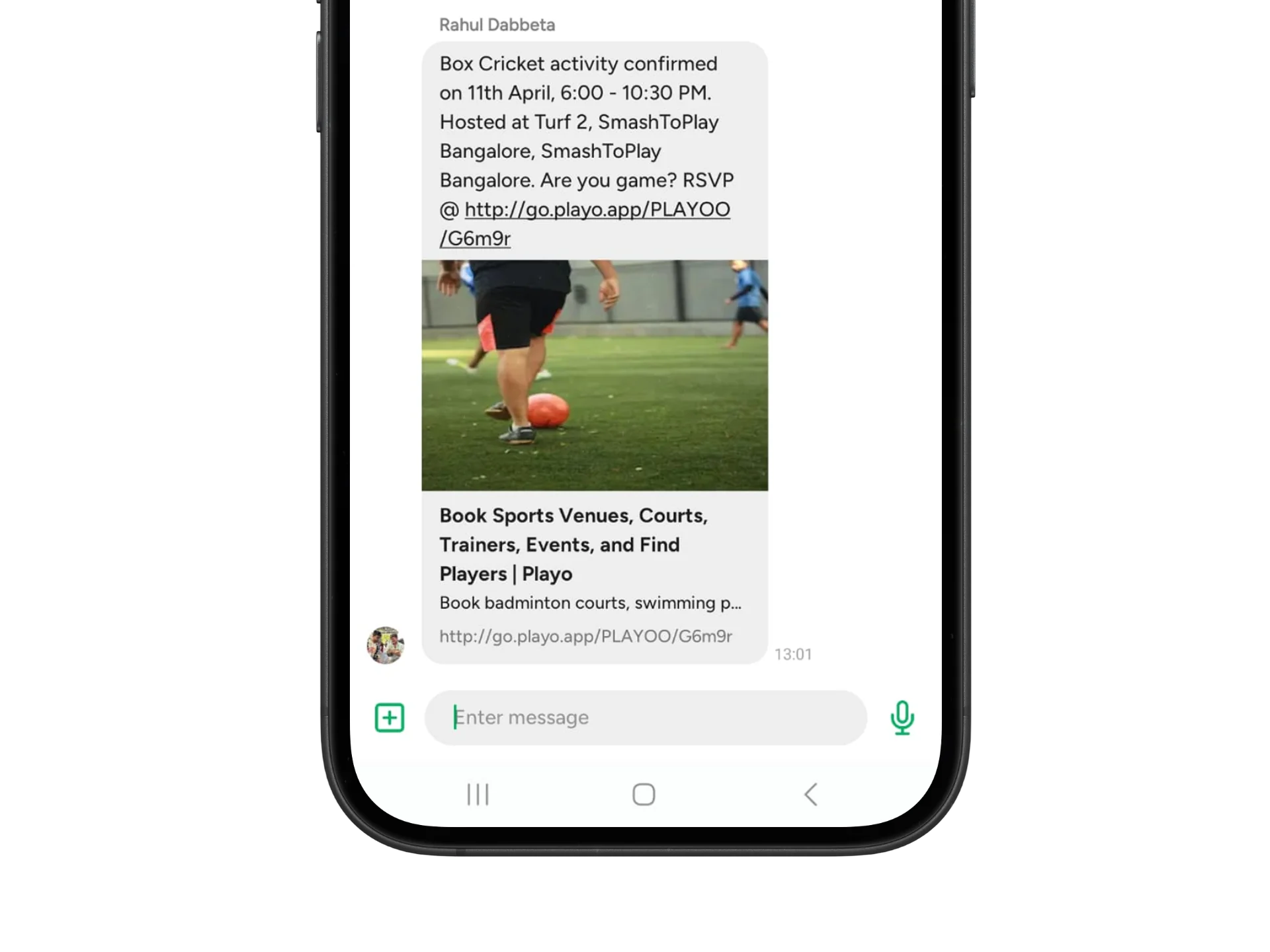
The relationship shouldn't end when the game does. Squad Chat gives members a space to coordinate, talk about upcoming games and stay connected between activities
“The game creates the connection. The community keeps it going”
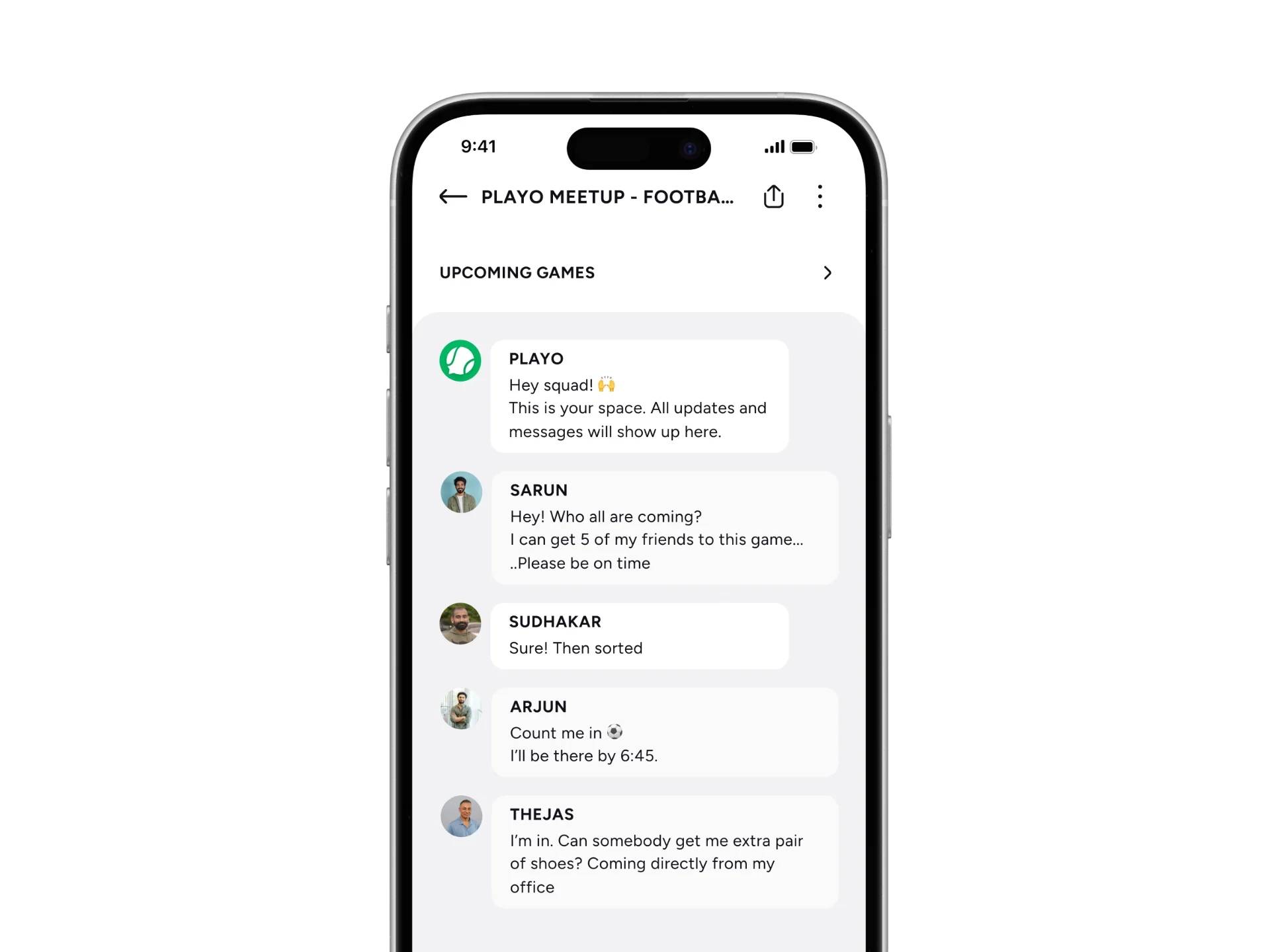
The Impact - The behaviour started showing up
The redesigned experience wasn't just about creating Squads. We wanted to see whether people were actually using them as part of their play.
~150
Squads created at peak
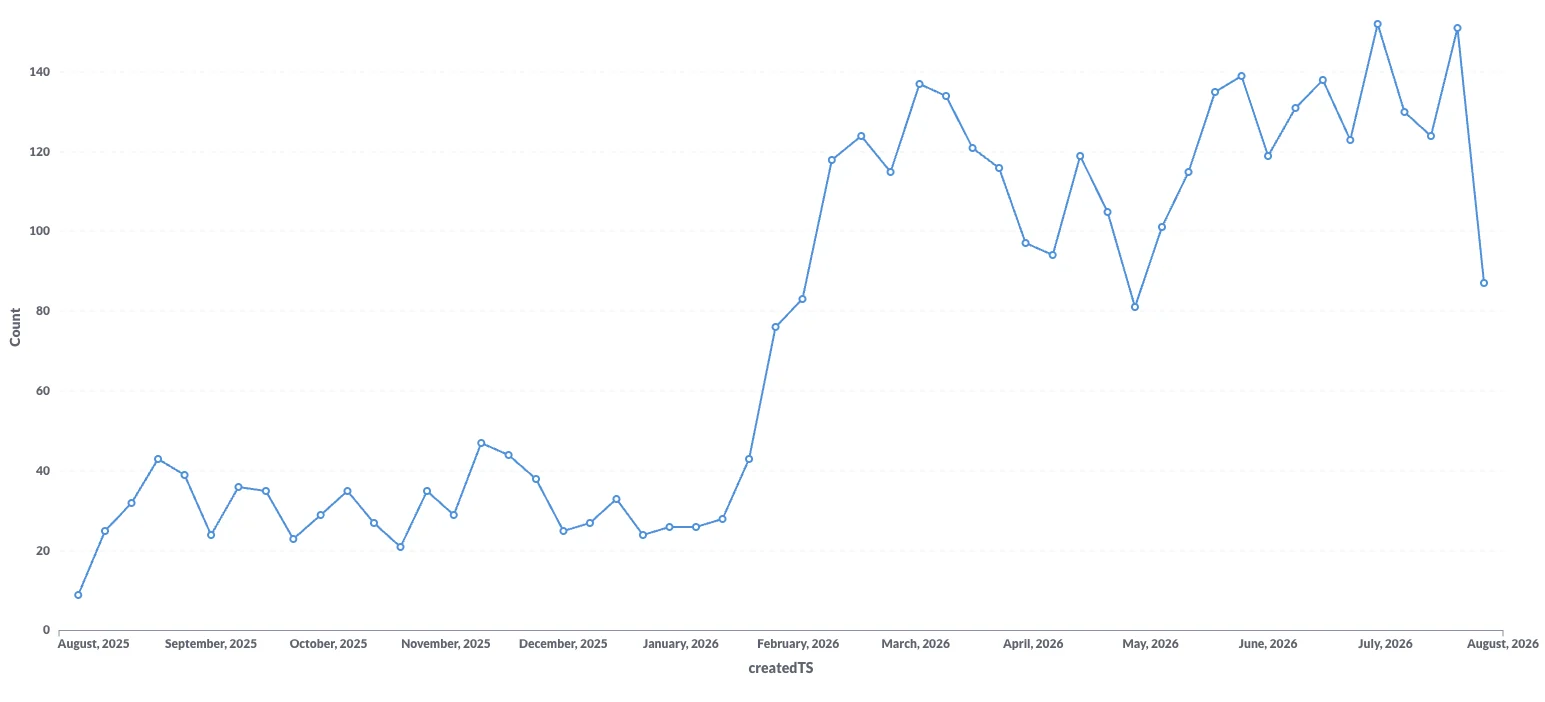
Chart : Squad Creation by Week
~7K
Squad joins at peak
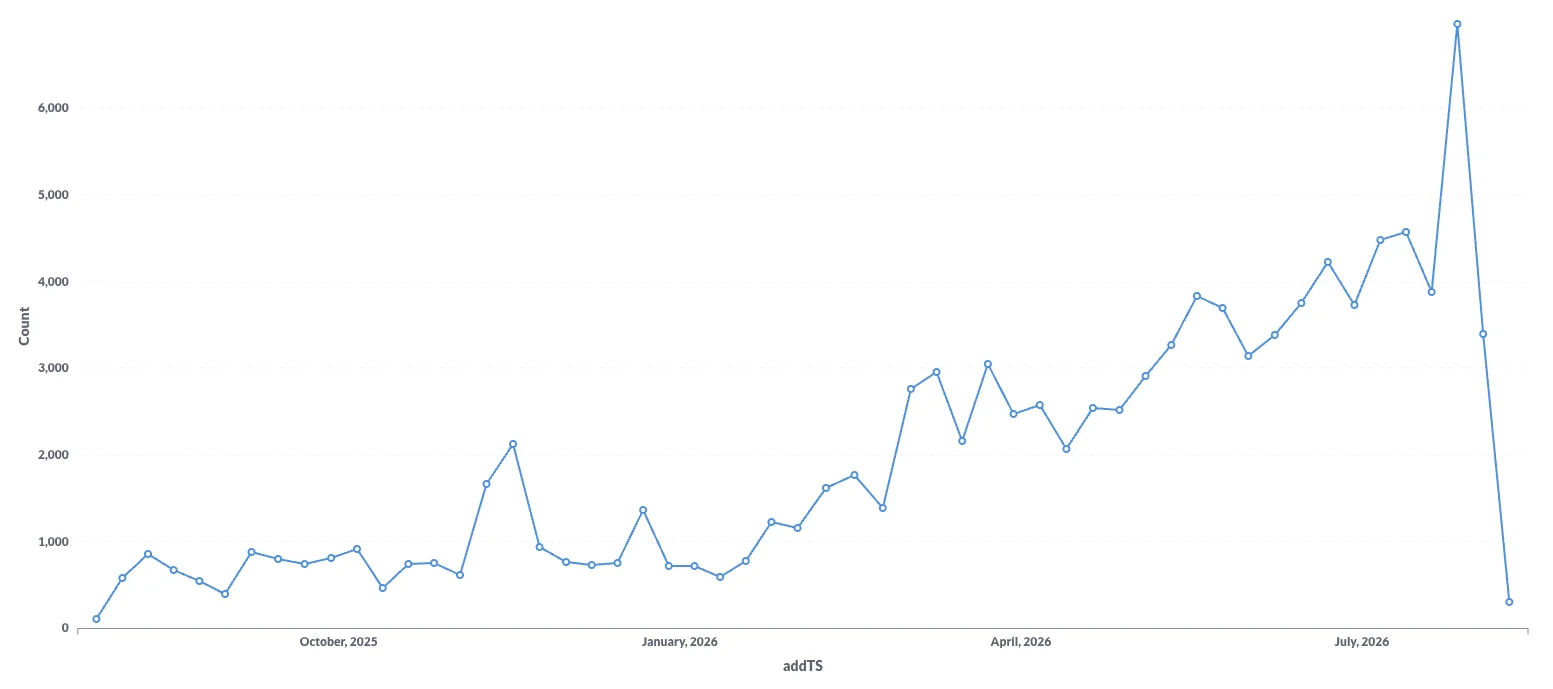
Chart : Squad join by week
2.5K+
Activities tagged to Squads at peak
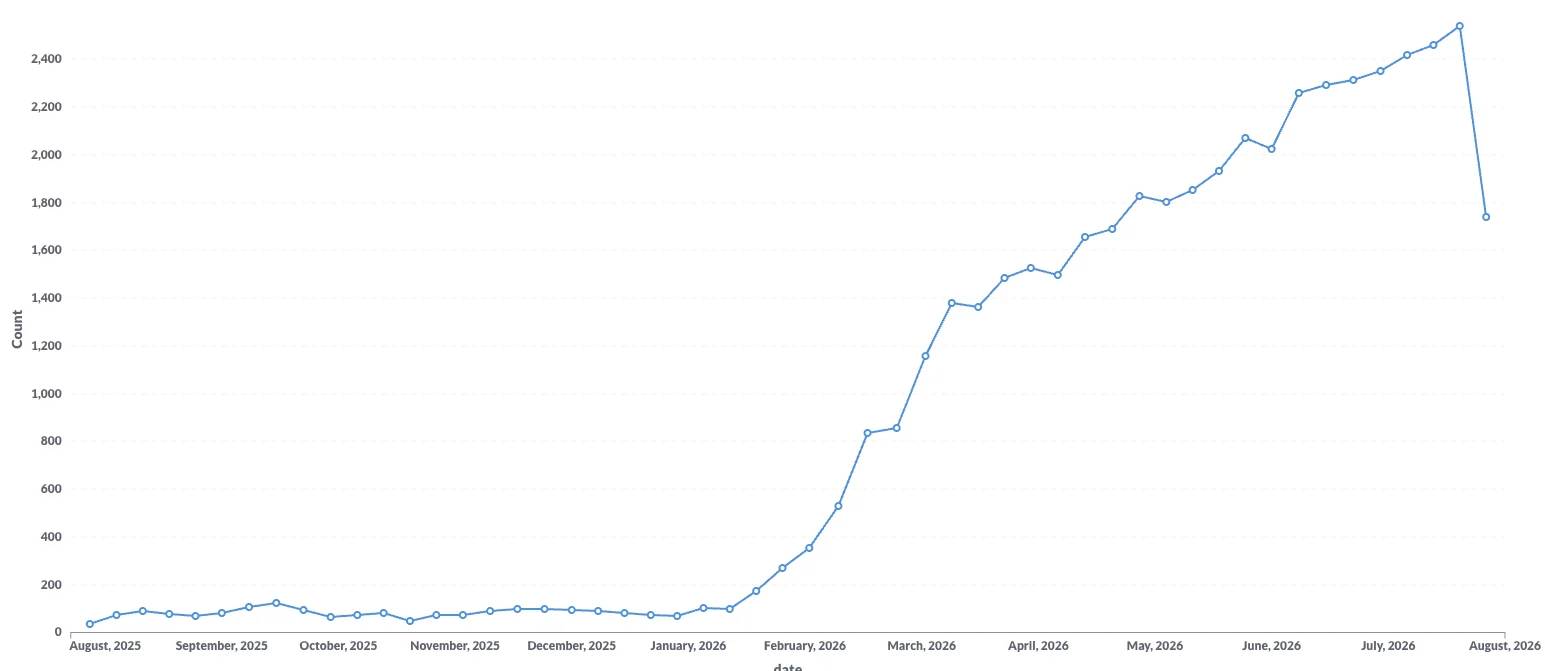
Chart : Activities tagged to a squad
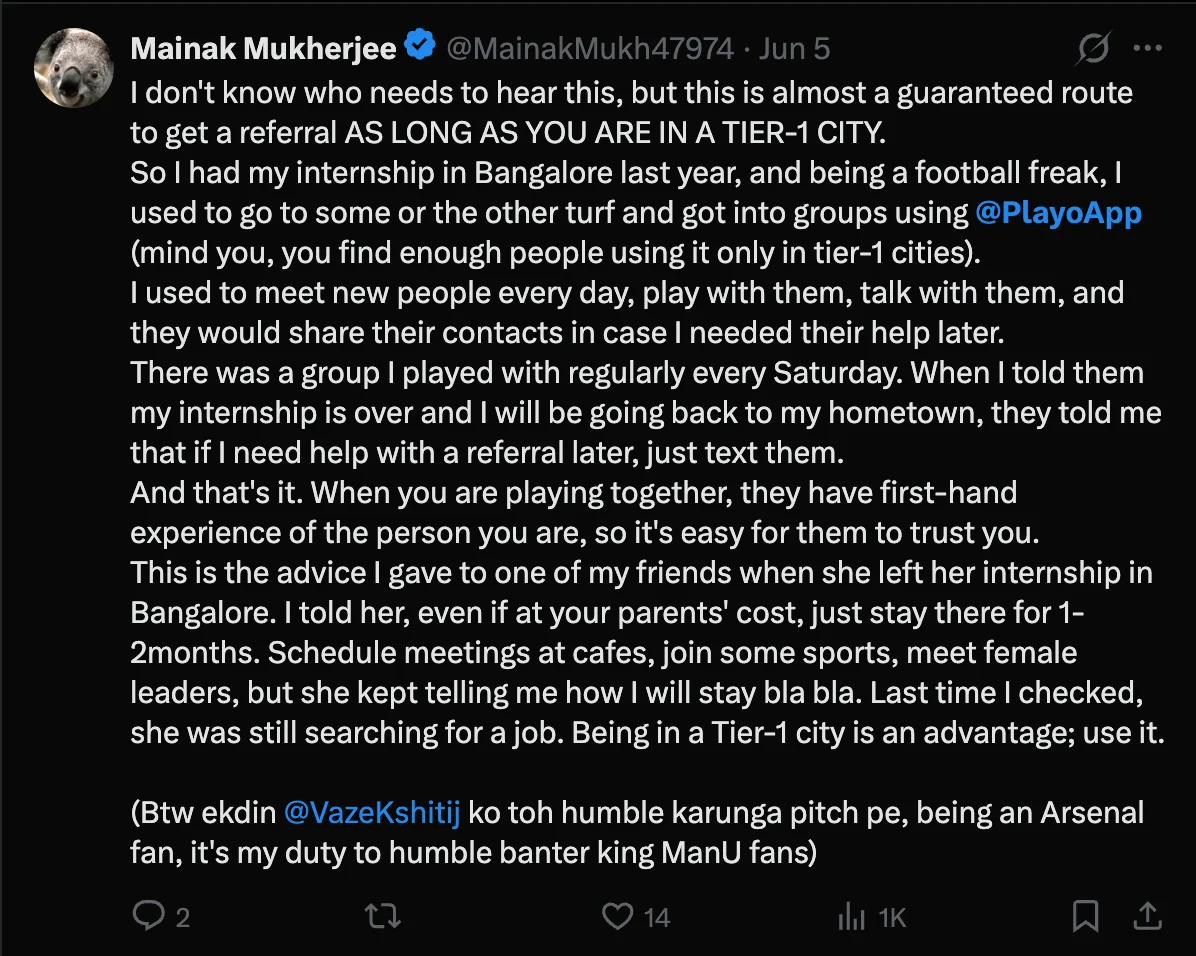
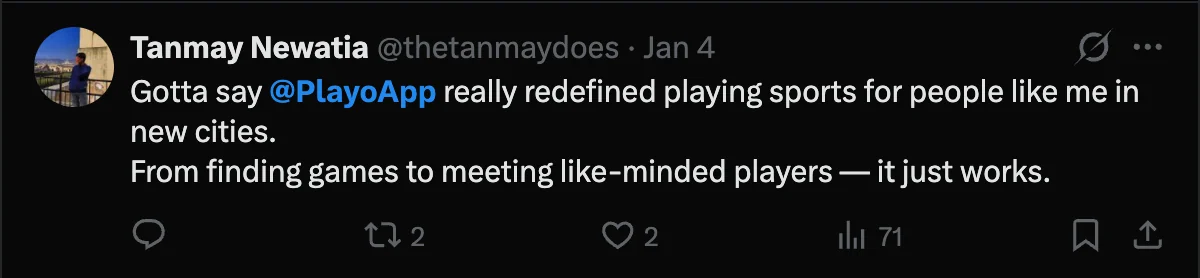
Community Voices - When players talk about finding their people
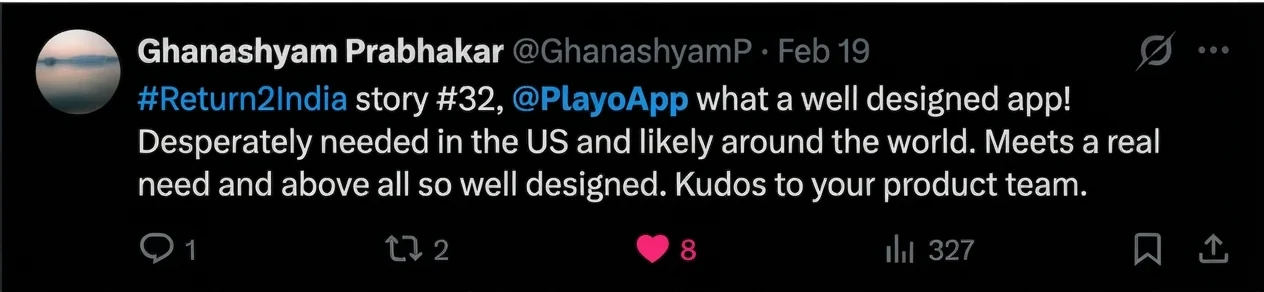
The strongest sign of a community experience is what happens outside the product. Social posts and messages from players can show how people describe finding a regular group, meeting new players and finally having a community to play with.

Takeaway - A community becomes valuable when there is a reason to come back
Players were already forming groups. We didn't need to invent a new behaviour. We needed to make the existing one more useful.